EU-SOLARIS ERIC Announces the Winners of the 2026 Annual Awards
July 28, 2026
EU-SOLARIS Annual Awards 2026: Celebrating Excellence in CST Research
July 31, 2026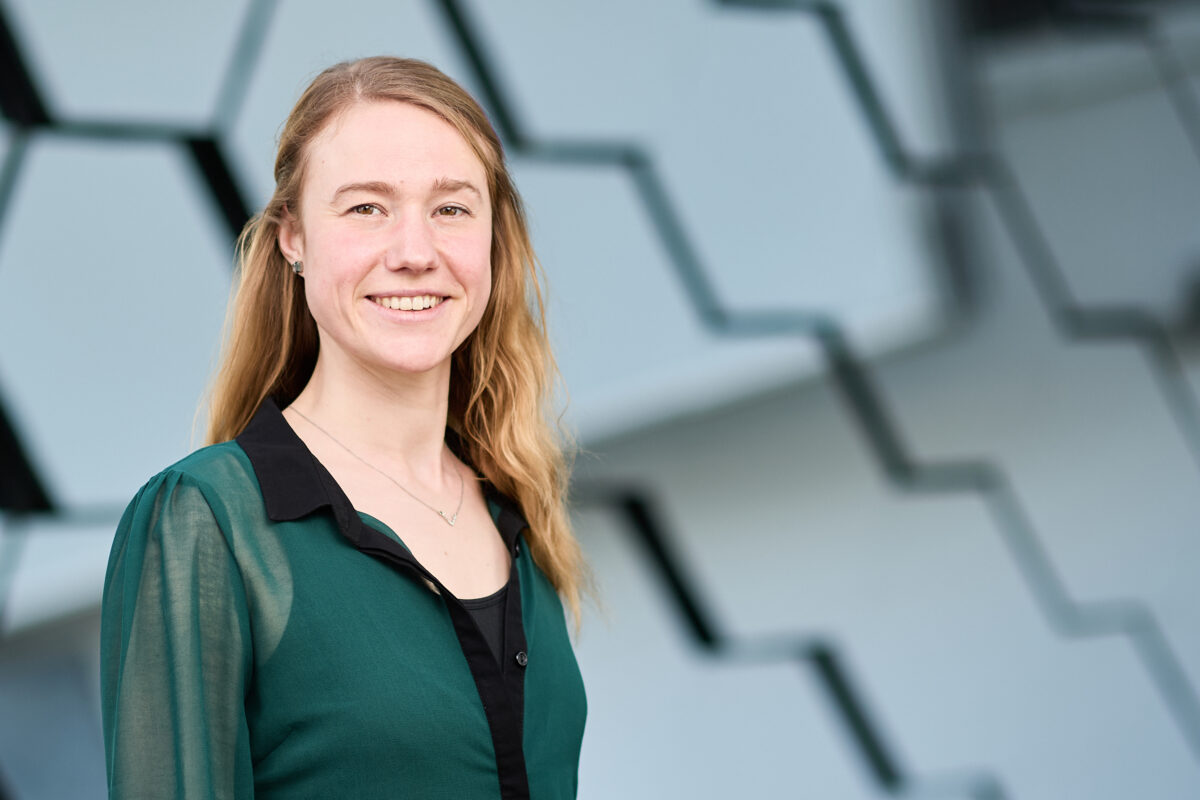
What does this recognition mean to you and your team?
Receiving the EU-SOLARIS Annual Award for Outstanding Contribution to the Improvement of CST Research Infrastructures’ Capabilities and Services is a great honor for me and for our team at the DLR (German Aerospace Center). For us, this recognition confirms that investing in plant-wide system architectures that enable autonomous operation of complex, large-scale facilities is a meaningful contribution both to CST Research Infrastructures and to the broader industrial context.
Could you introduce yourself and the organization or team behind this achievement?
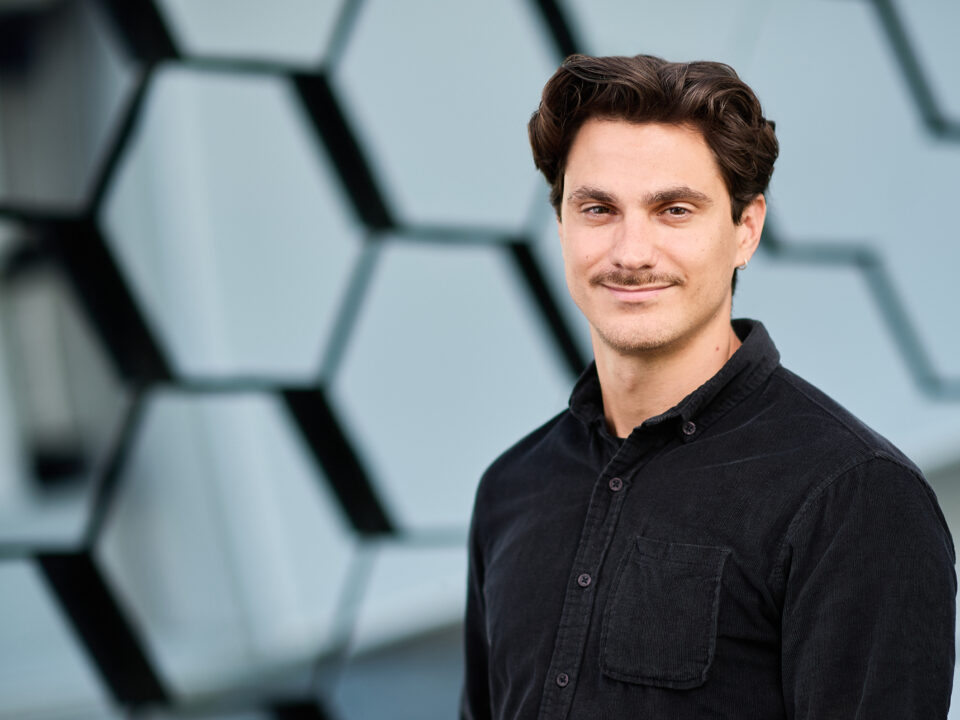
My name is Inga Miadowicz, and I work as a researcher at the German Aerospace Center (DLR) in the Institute of Solar Research in Cologne, Germany. Since 2022, I have been pursuing a Ph.D. in the interdisciplinary field of solar energy and software technologies, focusing on conceptual foundations and architectural innovations to gradually evolve systems towards industrial autonomy. Within the SOLEA project, I serve as project lead, IT architect and developer for the overall system architecture, the cyber-physical system middleware platform and associated software tools and services for autonomous operation. Prior to my doctoral research, I worked for almost a decade in the software industry as a lead developer, consultant and solution architect in the field of large-scale, data-intensive systems. Alongside my research and industry activities, I have been lecturing at the Duale Hochschule Baden-Württemberg (DHBW) University of Applied Sciences on distributed systems and advanced software engineering since 2018.
The award-winning contribution was developed within a multidisciplinary team over a seven-year initiative, bringing together DLR experts in CST plant operation, measurement and control systems, software engineering and artificial intelligence. This collaborative environment has been essential for designing innovative solutions that address specific operational challenges and integrating them into a holistic approach to accomplish the visionary goal of demonstrating autonomous CST plant operation at the large-scale research facility in Jülich.
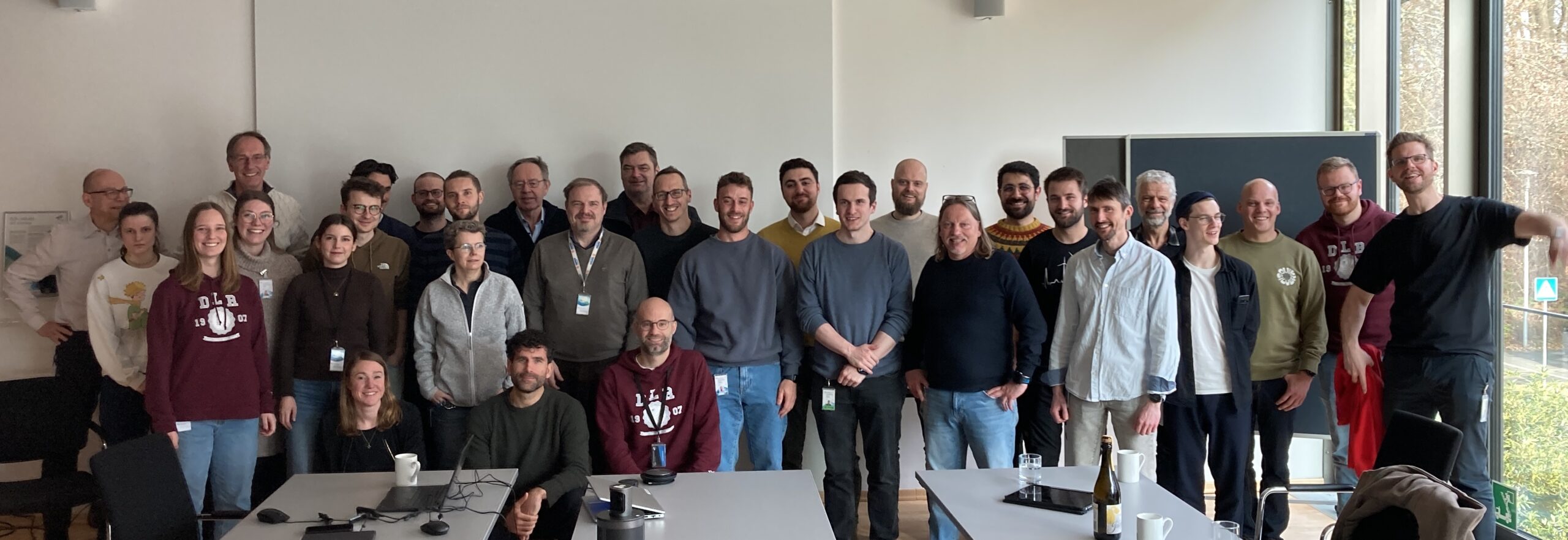
Researchers from the wider team involved in the Autonomous Solar Thermal Plant project
Names and affiliations of key contributors:
Inga Miadowicz, DLR Institute of Solar Research, Germany
Dr. Mathias Kuhl, DLR Institute of Solar Research, Germany
Dr. Daniel Maldonado Quinto, DLR Institute of Solar Research, Germany
Prof. Dr. Robert Pitz-Paal, DLR Institute of Solar Research, Germany
Prof. Dr. Michael Felderer, DLR Institute of Software Technology, Germany
Could you describe the contribution that has been recognized by this award?
The contribution recognised by this award is the Solar Energy Autopilot (SOLEA), a holistic concept that enables digital transformation of a conventional CST plant into a highly autonomous cyber-physical system , defined as a system in which cyber components affect physical components and vice versa. SOLEA bridges the gap between isolated automation tools and plant-wide autonomy by introducing a modular four-layer architecture that spans the physical CST plant, advanced measurement and control systems, a cyber-physical system middleware platform with a standardized digital twin, and a multi-agent automation layer for autonomous operation planning and closed-loop control of the heat-generation process.
In practical terms, SOLEA provides a technology-agnostic blueprint that allows industrial plants and research infrastructures to gradually increase their level of autonomy and to integrate new innovative hardware and software artifacts without disrupting daily operation. The architecture has been implemented and evaluated at the Jülich solar tower research facility, where intelligent agents autonomously plan operating days, start up and shut down the plant, and regulate receiver flux and outlet temperature under changing weather conditions. The evaluation shows that SOLEA substantially improves robustness, efficiency and cost performance while shifting the human role from active control to supervision and targeted intervention, thereby paving the way for the next generation of autonomous CST plants and for future industrial and thermochemical applications of climate-neutral solar heat.
What challenge or need within the CST research infrastructure landscape were you aiming to address?
Operational CST plants and CST research infrastructures are typically complex facilities that are costly to operate and still rely heavily on manual coordination of many tightly coupled subsystems under dynamic weather and safety constraints. These characteristics make digital transformation particularly challenging in this field and are a key reason why the level of automation in the CST domain is relatively low compared with other domains. At the same time, research in the CST field often produces isolated automation solutions, intelligent services or advanced measurement and control tools that rarely find their way into operational facilities, because clear guidance on how to integrate them into overall plant control is missing. As a result, CST plants and research infrastructures struggle to fully exploit recent advances in artificial intelligence, digital twins and cyber-physical systems, and a significant gap remains between cutting-edge research prototypes and their practical deployment in operational CST plants and research infrastructures.
What were the main objectives of the initiative or development?
The initiative aimed, first, to design and implement a holistic system architecture that retrofits a traditionally operated solar power tower plant into an autonomous cyber-physical system, thereby closing the gap between isolated automation tools and plant-wide autonomy in a generic way that can be transferred to other types of CST plants and comparable industrial environments.
Second, it sought to systematically leverage recent advances in measurement and control systems, cyber-physical system middleware, digital twins and multi-agent system automation to demonstrate the technological feasibility of autonomous CST plant operation in a real-world setting.
Third, the initiative aimed to empirically demonstrate and evaluate autonomous CST operation under realistic conditions at the Jülich research facility, including the degree of autonomy achieved and the benefits for CST research infrastructures and future industrial process-heat applications with respect to efficiency, robustness and cost performance of CST operation.
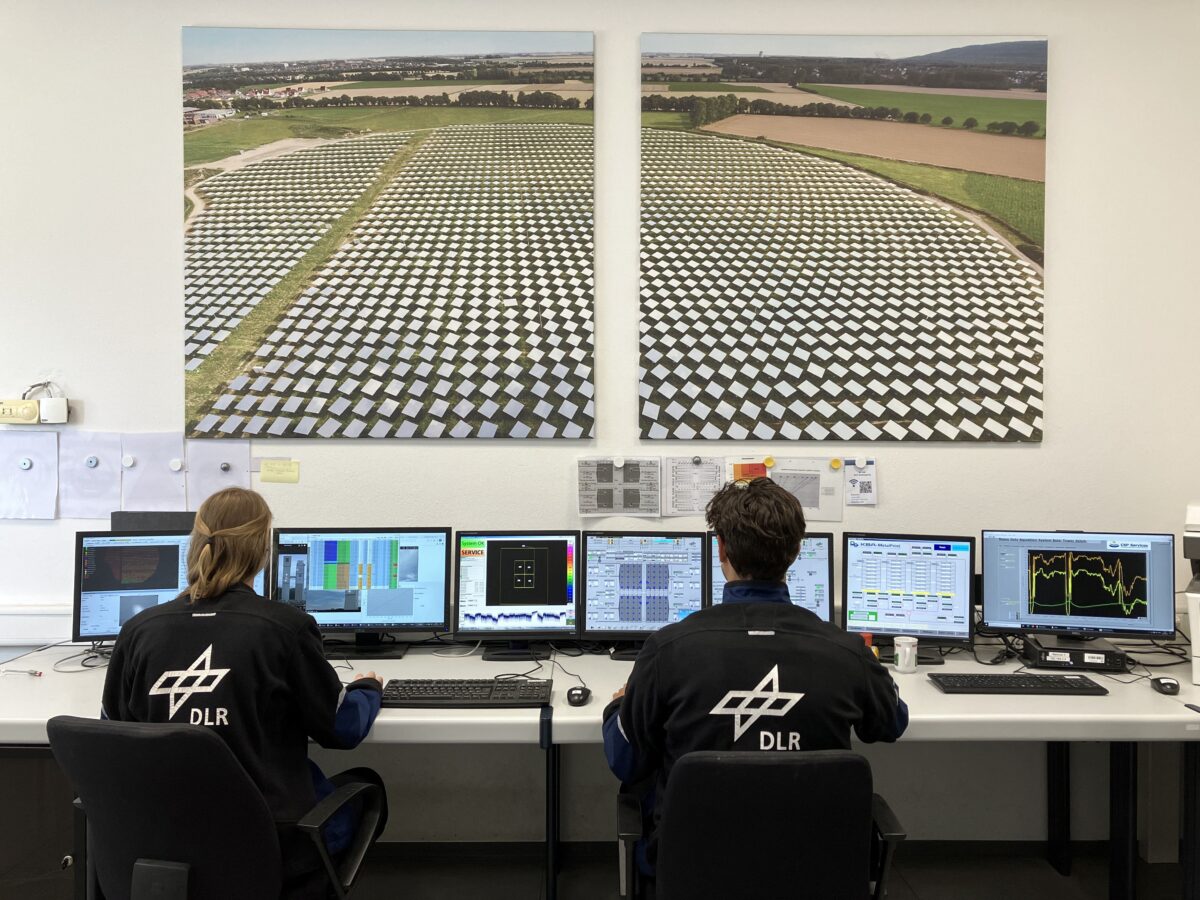
Mrs. Miadowicz and Mr. Kuhl during manual operation of the plant.
What would you consider the most significant achievements or outcomes?
I think the most significant achievement is that we truly accomplished our visionary goal of demonstrating autonomous operation of a solar thermal plant at the Jülich facility. About seven years ago, this goal was a vague and ambitious idea that we gradually developed from an underdefined research vision into a well-defined autonomy framework that enables its operational reality. In this process, distributed research teams advanced important measurement and control technologies as well as software systems, which we were able to integrate into a coherent, plant-wide architectural blueprint. Moving beyond a theoretical concept, this digital prototype was successfully implemented and evaluated in a large-scale CST research facility, demonstrating that autonomous operation of complex CST plants is technically feasible. From my point of view, this represents a remarkable team accomplishment, as the overall mission, including the three main objectives outlined above, has been successfully fulfilled.
How has this contribution improved the capabilities and/or services of CST research infrastructures?
SOLEA improves the capabilities and services of CST research infrastructures on several levels.
First, it turns a traditionally operated solar tower plant into a highly flexible and data-rich environment so that CST facilities can serve as living laboratories for autonomous operation rather than just testbeds for isolated control or measurement methods. This makes it easier to integrate new innovations into plant wide operation without disrupting ongoing experiments and strengthens the ability of CST RIs to host and validate cutting-edge research.
Second, SOLEA transforms traditional architectures of isolated subsystems with heterogeneous data into a data-rich environment where plant data is consolidated and managed via a digital twin. The cyber-physical system middleware platform acts as a central data hub, integrating heterogeneous measurement and control data and providing unified real-time and historical access for higher-level services and operators to support intelligent decision-making. CST RIs benefit from streamlined integration of new data sources, a secure, metadata-enriched repository for holistic plant representation, tailored interfaces for services and users, and a flexible, scalable microservice architecture that supports new use cases while maintaining real-time performance.
Third, the modular multi-agent approach at the automation layer allows task segmentation into individual software agents that can be developed in dedicated research projects with a clear functional focus. Based on the enhanced digital twin concept, which represents not only physical assets but also the software agents from the automation layer, research teams profit from a standardized virtual representation of their agents, a service layer which manages agent data, and monitoring and alerting functions to transparently observe agent behaviour from the outside during experiments. Extending the digital twin concept to agents also enables self-description of functionality and interfaces, supporting flexible, task-oriented collaboration between new agents, human operators and existing agents for end-to-end automation in highly autonomous or human-in-the-loop heat-generation processes.
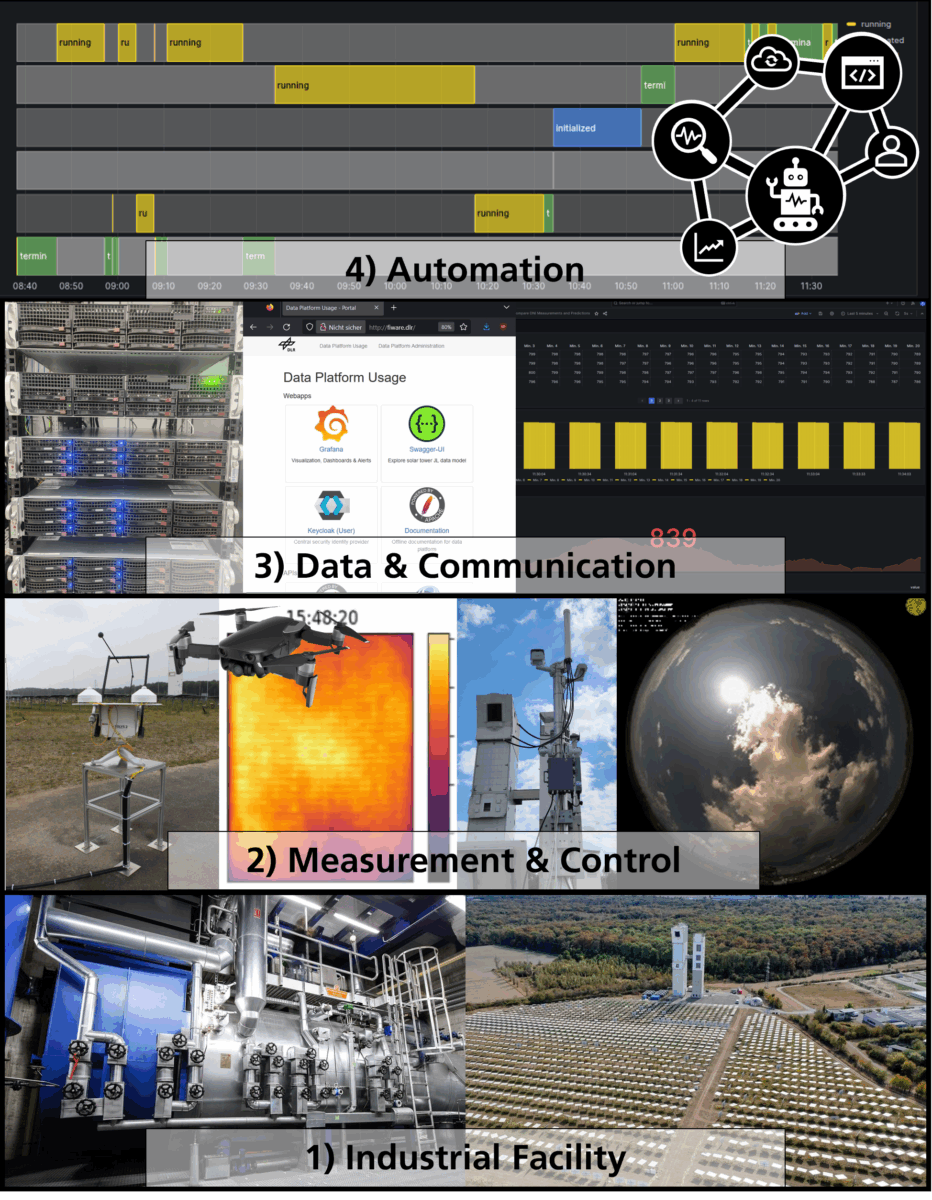
SOLEA architecture illustrating the four-layer architecture.
Fourth, the cyber-physical system middleware platform connects the solar thermal plant to the internet to provide remote access to the digital twin and integrate online data sources as a baseline for plant automation. This enables new data-driven use cases, such as optimized scheduling by the operation management agent based on weather forecasts, and allows DLR researchers to access plant data remotely, supporting flexible work locations, distributed teamwork and offline training of intelligent models on real plant data. Furthermore, the internet connection facilitates integration with partner organisations to transparently share research data across organisational boundaries and to publish datasets in open repositories, making CST research data globally accessible for scientific purposes.
Fifth, by providing a reusable, technology-agnostic autonomy blueprint that has been demonstrated under real operating conditions, SOLEA can strengthen the role of CST RIs as reference platforms for digital transformation in the solar-thermal sector. Based on SOLEA RIs can offer partners from industry and science an environment where autonomous CST operation, heat-as-a-service concepts and integration into industrial and thermochemical processes can be explored, thereby expanding both their research capabilities and their service portfolio to external stakeholders.
What benefits does it bring to researchers, industry, or other users of these infrastructures?